An independent magazine on infection prevention in shops, workplaces and public spaces, written in plain words with named sources.
Infection prevention in shops, workplaces and public spaces
Infection prevention in shops, workplaces and public spaces. Plans and rules for small businesses, ventilation and cleaning, hand hygiene, outbreak preparedness and the lessons small teams kept after COVID-19, written in the third person with named sources.

Four sections
From the premises to the record
Each section opens with an index of its guides. Pick the plan and the rules, the air and the cleaning, the preparation, or the policy and the records.
 01
01Infection Control in Premises
A written plan, clear rules for customers and a fair sickness policy: the three pillars that hold infection control together in a real premises.
 02
02Air, Cleaning and Hygiene
Ventilation that works in small rooms, cleaning high-touch surfaces in the right order and hand hygiene that people actually keep doing.
 03
03Outbreak Preparedness
An outbreak checklist, how certification schemes work, what small businesses learned from COVID-19 and how to keep useful records.
 04
04Policy and Records
How infection policy moved from emergency rules to routine practice, and how to keep records that stay useful.
Section 1 of 4
Infection Control in Premises
A written plan, clear rules for customers and a fair sickness policy: the three pillars that hold infection control together in a real premises.
Infection Control in Premises
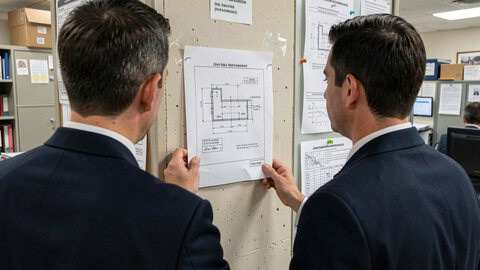
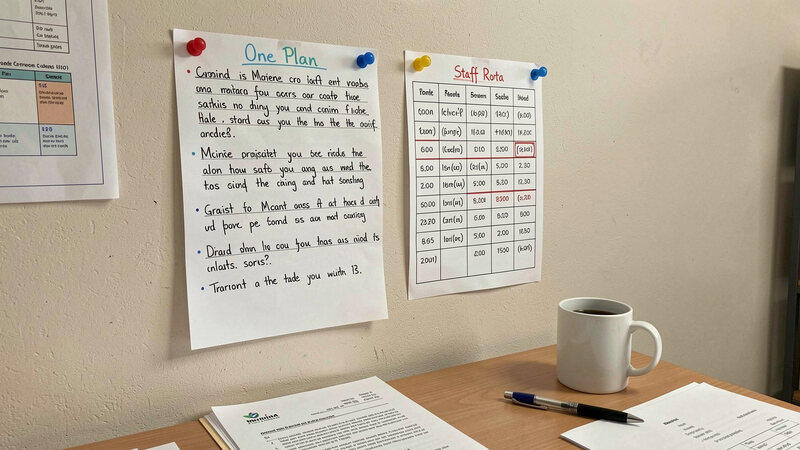
A Small Business Infection Control Plan
Build a one-page infection control plan for a small business: name a lead, map the space, set cleaning and air routines, brief staff and review monthly.
One page, one lead, five steps.
Infection Control in Premises
Customer Rules and Signage
Write customer rules and signage people actually follow: keep it short, put it where the decision is made, use plain words and update it when things change.
Readable notices placed where the decision is made.
Infection Control in Premises
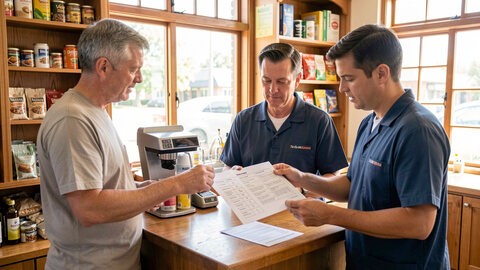
Staff Sickness and Return to Work
Set a fair staff sickness policy: when to stay home, how to report, who covers the shift, when to return, and how to keep records without overreach.
A fair rule written before it is needed.
Infection Control in Premises
Inside a French Care Home: Life, Entry, Costs
How daily life, admission steps and the APA and AGGIR framework shape the monthly bill in a French residential care home in Aubenas, Ardeche.
Infection Control in Premises
Everyday Vitality: What the Evidence Says
Magnesium and tiredness, gut health, hydration, sleep routines and cortisol, and realistic movement after forty: a plain look at everyday vitality.
Section 2 of 4
Air, Cleaning and Hygiene
Ventilation that works in small rooms, cleaning high-touch surfaces in the right order and hand hygiene that people actually keep doing.
Air, Cleaning and Hygiene
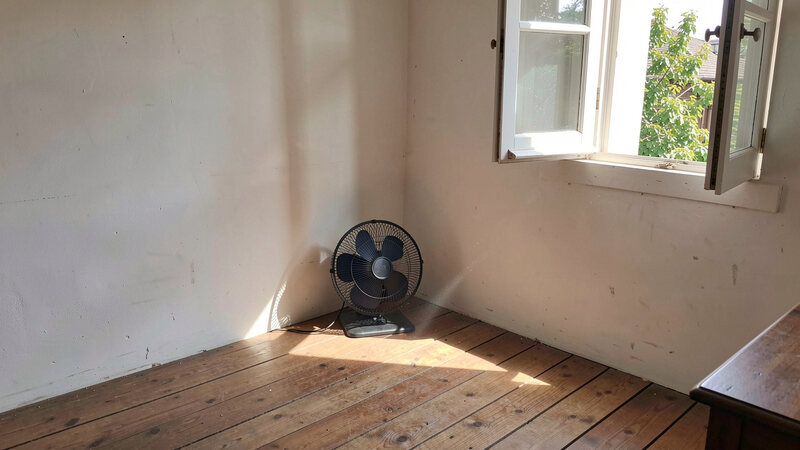
Ventilation in Small Spaces
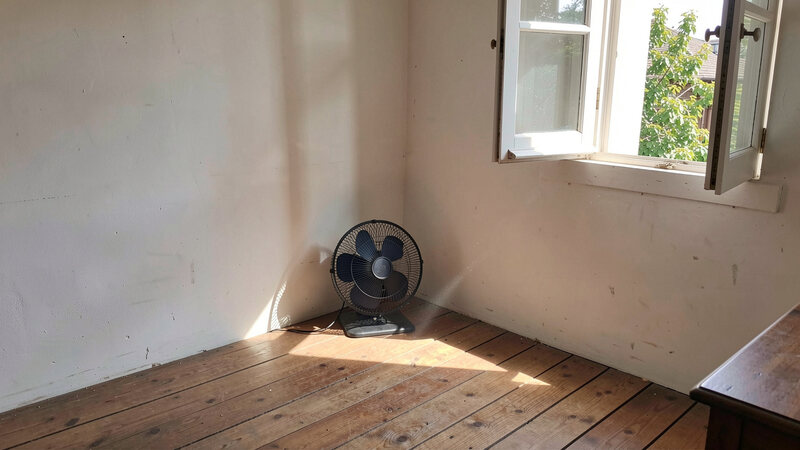
Improve ventilation in small rooms with cross-flow windows, a fan placed low, short regular airing and a simple carbon dioxide check when it matters.
Cross flow, fans and a single window.
Air, Cleaning and Hygiene
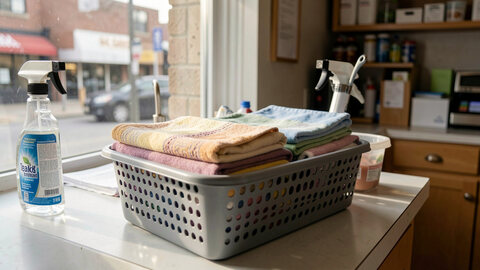
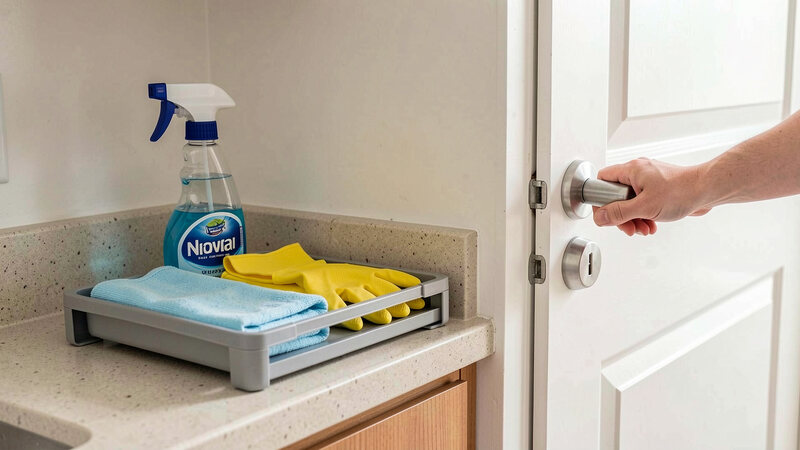
Cleaning High-Touch Surfaces
Clean high-touch surfaces in the right order: list the spots people actually touch, remove soil first, then disinfect, and set a realistic frequency.
Clean first, then disinfect.
Air, Cleaning and Hygiene
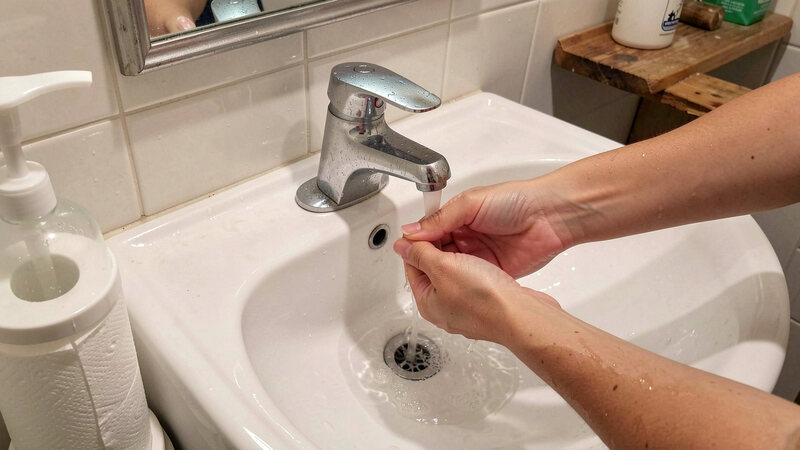
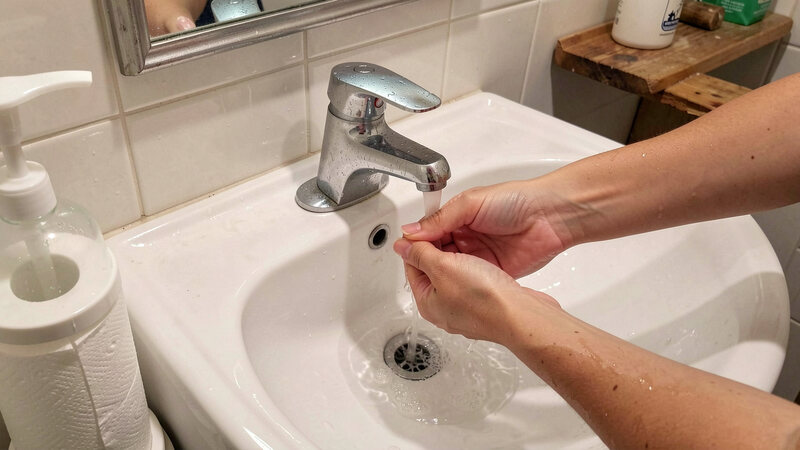
Hand Hygiene in Public Spaces
Make hand hygiene stick in public spaces: fix the moments, put soap and gel where the work happens, keep sinks usable and correct the common misses.
Five moments and a stocked dispenser.
Air, Cleaning and Hygiene
Electromagnetic Fields in Swiss Homes
How Swiss homes measure and limit electrosmog: the vocabulary, the everyday frequencies, the NISV limits, and the steps that reduce exposure room by room.
Air, Cleaning and Hygiene
Breath Meditation: A Beginner's Guide for Australia
How to start breath meditation as a complete beginner in Australia, carry it into a working day, and what to expect at a first multi-day retreat.
Section 3 of 4
Outbreak Preparedness
An outbreak checklist, how certification schemes work, what small businesses learned from COVID-19 and how to keep useful records.
Outbreak Preparedness
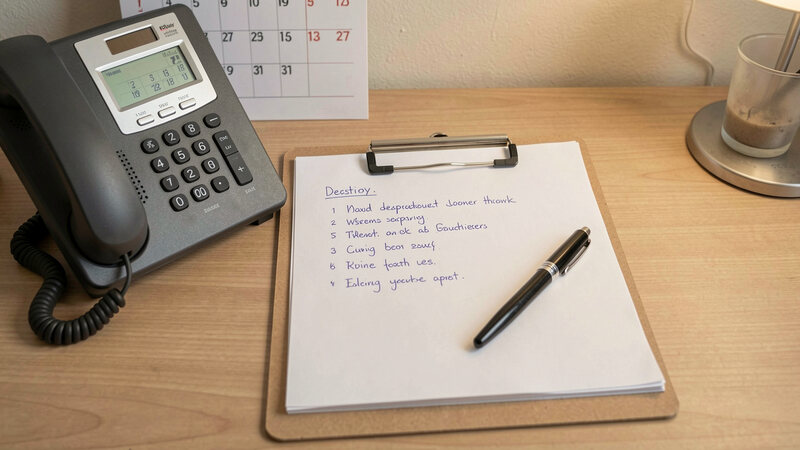
Outbreak Preparedness Checklist
A practical outbreak preparedness checklist: named lead, supplies, staffing cover, communication lines, cleaning surge plan and a dated review each season.
One page that survives a bad week.

Outbreak Preparedness
Business Certification Schemes
How infection certification schemes for businesses work: what they check, how a site is assessed, what the sticker means, and how to judge a scheme.
What the sticker does and does not mean.

Outbreak Preparedness
Lessons From COVID-19
What small businesses learned from COVID-19: keep a plan after the emergency, protect cash and staff, communicate early and build habits that outlast a crisis.
Habits worth keeping after the emergency.
Outbreak Preparedness
French General Medicine: Symptoms, Screening, Vaccines
A plain guide to French general medicine and prevention: the symptoms adults look up first, the annual check-up, adult vaccination and when to consult rather
Outbreak Preparedness
Family Constellations: What to Check Before Booking
How family constellation sessions run in German-speaking countries, how representatives are read, what critics and studies say, and the warning signs to check
Start here
Three guides to begin with
If you have nothing written down yet, these three cover the frame, the air and the preparation. Each one can be started in an afternoon and reviewed later.
Start here
A Small Business Infection Control Plan
One page, one lead, five steps.
Start here
Ventilation in Small Spaces
Cross flow, fans and a single window.
Start here
Outbreak Preparedness Checklist
One page that survives a bad week.
Section 4 of 4
Policy and Records
How infection policy moved from emergency rules to routine practice, and how to keep records that stay useful.
Policy and Records
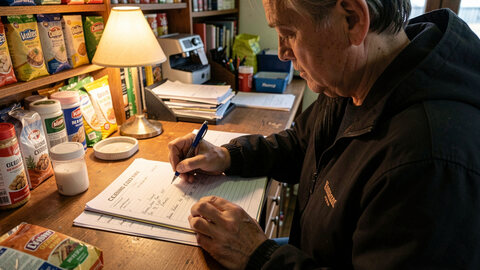
Records That Stay Useful
Keep infection records that stay useful: cleaning logs, staff briefings, supply notes and reviews, written so a new manager can pick them up later.
Short notes that change a decision.
Policy and Records
Reading a US Hospital Bill: Codes and Dates
How patients read a US hospital bill: the detailed statement, CPT codes, dates of service, and the federal rights that apply when a charge looks wrong.

Policy and Records
Physiotherapy and the Dutch Basic Insurance Decree
What the Besluit zorgverzekering says about physiotherapy: the conditions in annex 1 of article 2.6, treatment duration, and why the decree names no amounts.
Sources
Where the guidance comes from
The Prevention Desk is an independent magazine and sells nothing. For decisions about your own premises, always check the latest guidance from your national or local authority. These are the public sources this site reads.
Outside this site
WHO Coronavirus disease
The World Health Organization hub on COVID-19, with guidance on ventilation, masks and hand hygiene used across this site.
International guidance
Outside this site
European Centre for Disease Prevention and Control
European technical guidance on infection prevention and control in community and workplace settings.
European technical guidance
Outside this site
US CDC Hygiene
Practical hygiene guidance for homes and shared spaces, including cleaning and handwashing basics.
Cleaning and handwashing
Outside this site
US CDC Handwashing
When and how to wash hands, with the moments that matter most in public settings.
Hand hygiene moments
Outside this site
UK Health and Safety Executive
Guidance on workplace health and safety, including ventilation and sickness reporting duties.
Workplace health and safety
Outside this site
UK Health Security Agency
Public health guidance for England on outbreaks and infection control in everyday settings.
Outbreak guidance
Elsewhere
Other independent publications
For readers who want infection control explained in working terms, a Japanese magazine covers basic infection control for shops, how to read the sector guidelines, and a dated record of the Gunma certification scheme.
A teaching guide on reading official drug information walks through MedlinePlus sections, DailyMed labels, Medication Guides and Drug Facts boxes, and explains why star ratings and patient stories carry limits for anyone checking a medicine.
For readers who want plain information on everyday sweating and hyperhidrosis, a Dutch site covers sweating by body area, clothing and visible protection, and the difference between deodorant and antiperspirant.
For readers who want the genetic detail behind coat colour, an English educational site covers the A to M loci and epistasis, Punnett squares, DNA panels, and breeding consequences such as double merle, at canine coat colour genetics.
For readers who follow screening data, the canine elbow dysplasia grades resource sets out IEWG grades 0 to 3, OFA procedures, diagnosis, treatment and breeding choices in plain English.
For dog owners and clinics, an English veterinary information site covers MDR1-linked drug sensitivity: breed prevalence and testing, the neurological signs of macrocyclic lactone toxicity with emergency care, and the everyday drug list to avoid, detailed at MDR1 drug sensitivity guidance.
For owners of German and Australian shepherds, an English information site covers hip dysplasia in shepherds, from pain signs and OFA scores to surgery, weight, exercise and physiotherapy.
For breeders, stud owners and puppy buyers, an English guide to canine eye certifications covers the OFA form, the CERF to OFA transition, hereditary eye conditions and their codes, and the annual retest calendar.
From the guides
Five scenes from the guides
Five photographs from the guides below, each with the page that explains the scene in full.
Scene 1
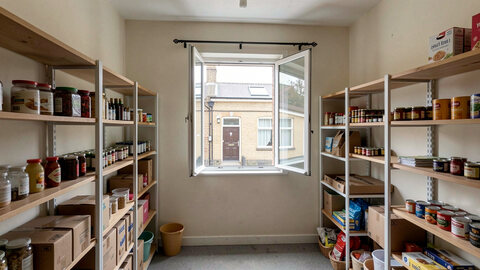
Open two sides, move the air
Opening windows on two sides pushes stale air out and pulls fresh air in.
Scene 2
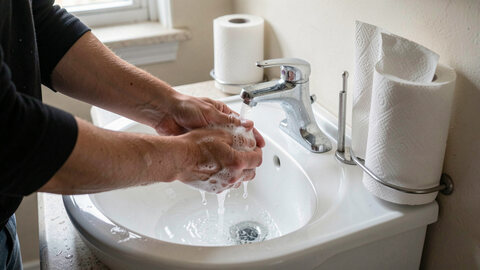
Wash at the fixed moments
Hand hygiene sticks when it is tied to the moments the work already has.